The moment everyone wants to skip
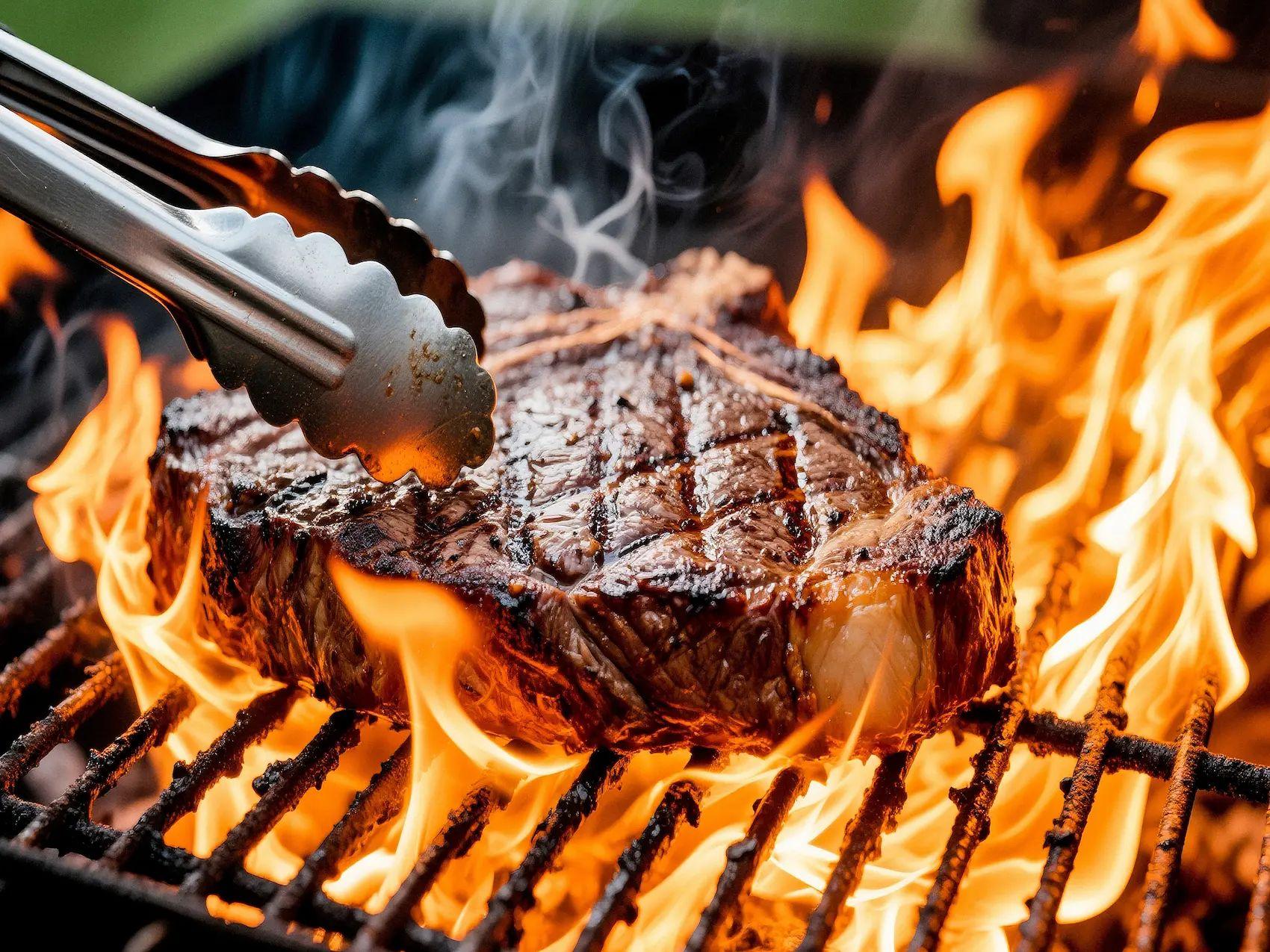
At a Singapore BBQ, the most tempting moment is when the meat leaves the grill. The surface is sizzling, someone is already holding a plate, and the next batch is waiting for space over the coals. It feels natural to slice immediately. Yet the few minutes between cooking and serving can change the eating experience as much as the seasoning or the cut itself. That pause is called resting, and it deserves a place in the BBQ plan rather than being treated as an afterthought.
This is not a story about a particular De’Vour customer order. It is a practical editorial about a small technique that helps a home BBQ, condominium gathering or catered grill station run more smoothly. The goal is simple: serve meat that tastes good, looks appetising and arrives at the table at the right moment.
Why resting matters, without the kitchen mythology
Heat changes the structure of meat. During cooking, muscle fibres contract and moisture shifts. If a hot steak is sliced the instant it comes off the grill, some juices will escape onto the board. Allowing a brief rest gives temperature and moisture more time to settle. It does not magically seal every drop inside, and resting cannot rescue meat that has been overcooked. But for thicker steaks and roasts, it is one of the easiest ways to improve the final slice.
There is a second reason to pause: carryover cooking. A thick piece of meat can continue warming inside after it leaves the heat. That means a cook who waits until a steak looks exactly done on the grill may discover that it has gone further than intended by the time it reaches the plate. A probe thermometer and a planned rest are more dependable than guesswork. The effect is most noticeable in larger, thicker cuts; it is less dramatic for thin skewers or small pieces.
Different cuts deserve different treatment
There is no single resting time that works for everything on a Singapore BBQ menu. A thin piece of satay, a thick ribeye steak and a whole roast have different thicknesses, heat histories and serving requirements. For an ordinary steak, a short rest of roughly five to ten minutes is often a practical starting point; thick cuts may need longer. Larger roasts commonly benefit from a longer pause before carving, with timing adjusted for their size and measured internal temperature. These are kitchen planning ranges, not substitutes for checking that food has been cooked safely.
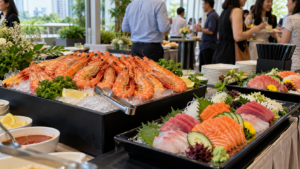
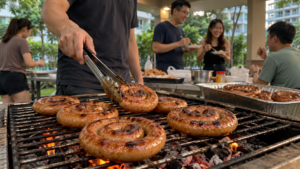
Consider what happens if the grill is serving beef, chicken wings, sausages and seafood. A steak can move to a clean resting board while chicken continues cooking. Sausages should be fully cooked where required and handled according to their product instructions; seafood generally needs prompt service once properly cooked. A rest is useful when it improves the food, not as a reason to leave every item waiting on the same tray.
A resting station is not a holding buffet
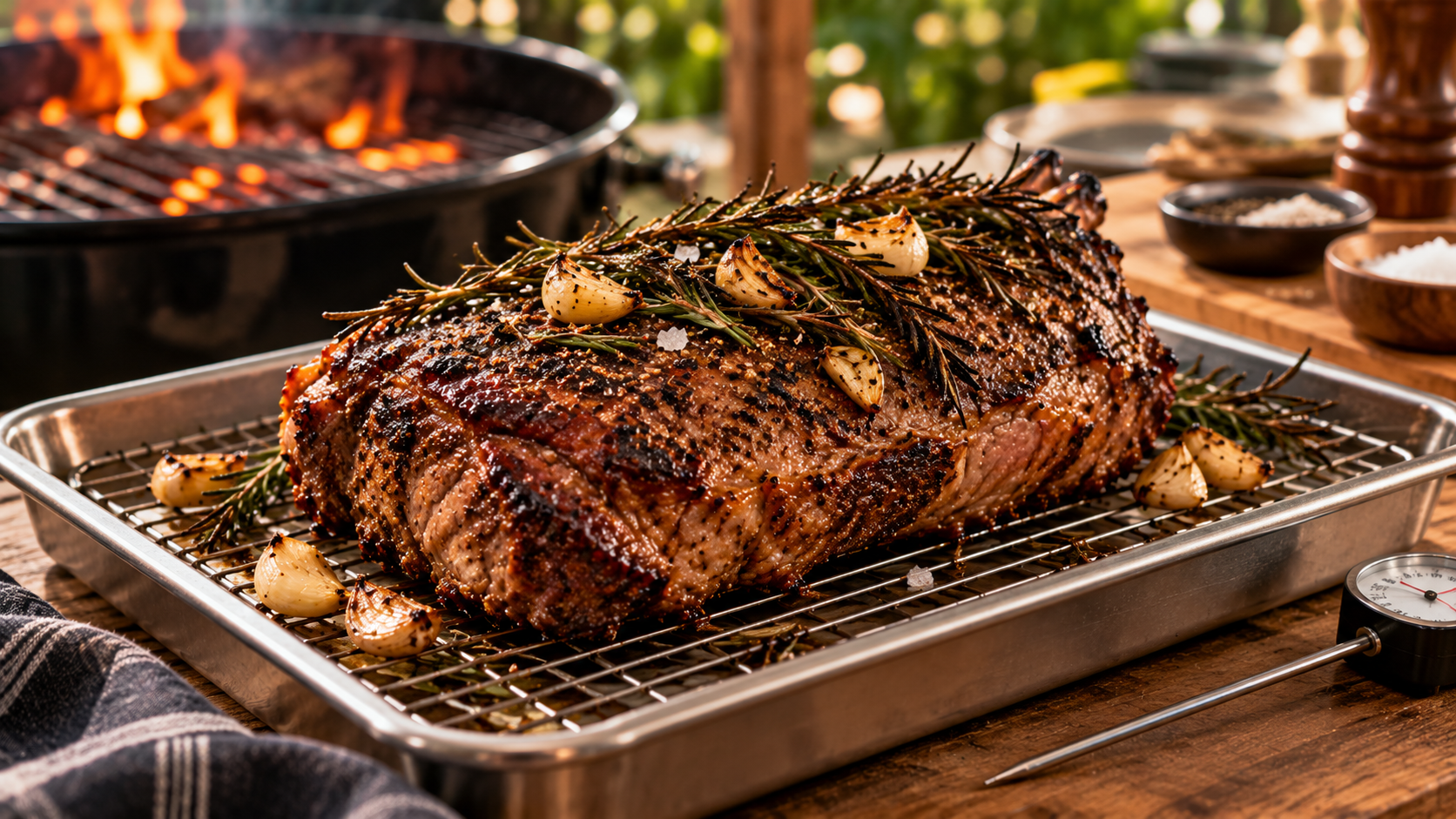
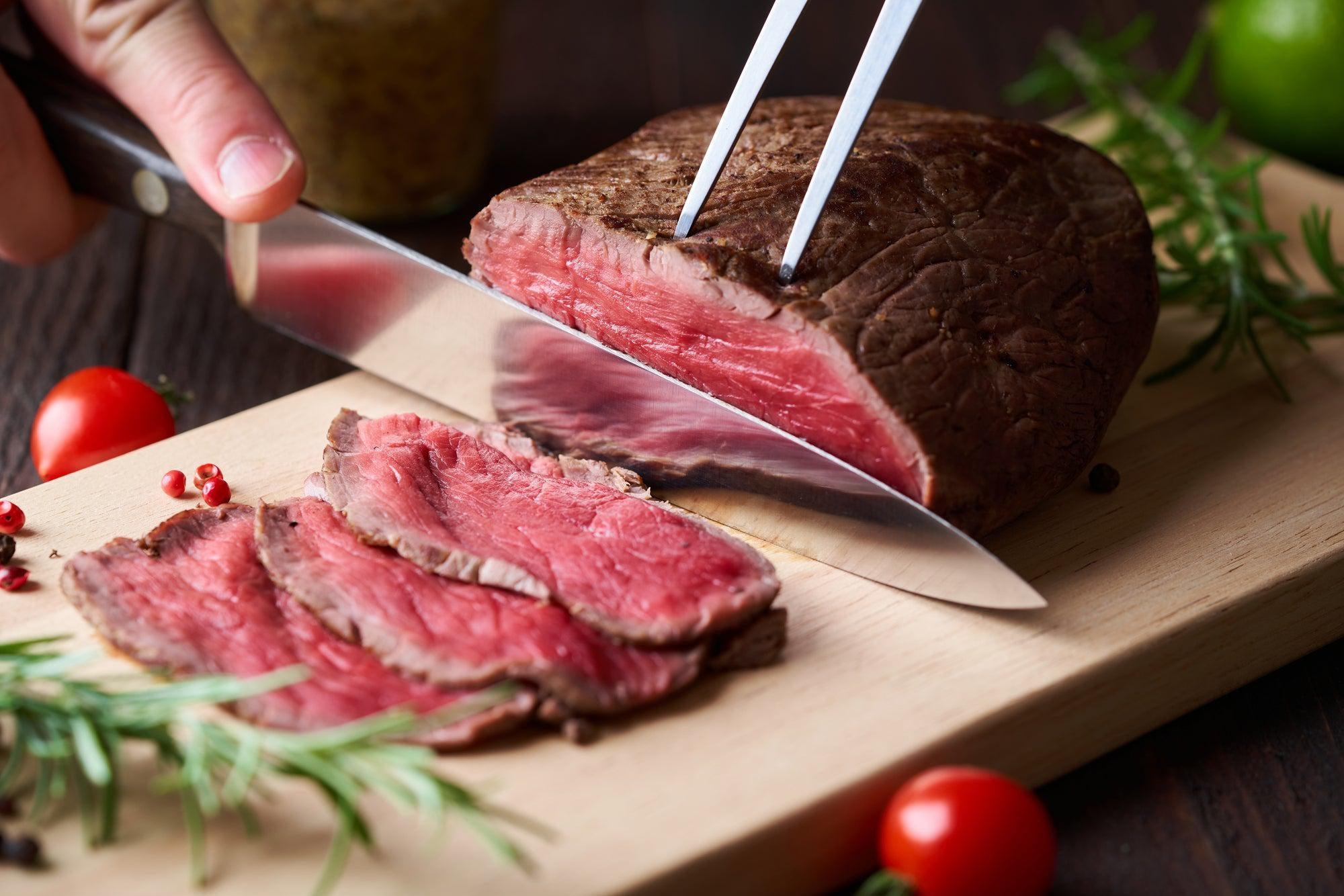
One of the most useful upgrades to a small BBQ setup is a dedicated resting area. It does not need to be elaborate: a clean board or tray, a place for utensils, a thermometer, and enough room to keep cooked food separate from raw ingredients. The important distinction is between resting briefly before service and holding food for a long period. Those are different jobs with different food-safety requirements.
In Singapore’s warm climate, cooked food should not sit indefinitely at ambient temperature. For extended service, use appropriate hot-holding equipment, keep chilled items cold, and follow current food-safety guidance. A loose foil tent may reduce surface heat loss for a short rest, but wrapping a steak tightly can trap steam and soften a carefully browned crust. A resting board also needs its own clean knife and tongs; never move ready-to-eat meat back onto a tray that held raw food.
The art of managing a busy grill
A BBQ is a sequence, not a single cooking event. The cook needs to know what goes on first, what can finish quickly and what requires attention at the end. If several thick steaks are on the menu, cooking them in manageable batches makes more sense than filling every square centimetre of the grill. Move a finished batch to rest while the next batch starts. This gives the cook room to control the fire and prevents guests from standing around a cutting board waiting for every piece to finish at once.
At a condominium BBQ pit, practical constraints can be surprisingly important. The grill may be a distance from the dining table; lighting can be uneven; serving plates and utensils may be scattered between bags and coolers. A simple sequence helps: designate one area for raw food, one for grilling, one for clean resting and carving, and one for serving. Keep the path between them short, but do not allow raw and cooked items to cross-contaminate.
The carving board can be part of the occasion
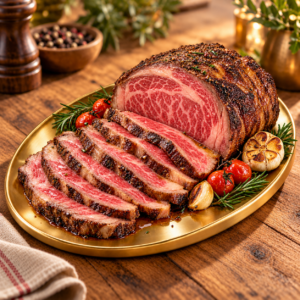
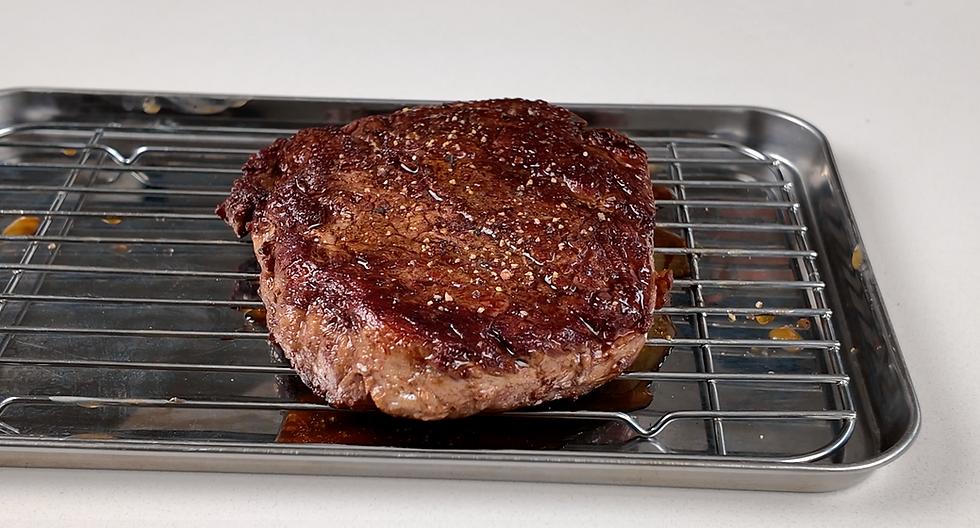
Resting also gives the host a chance to turn the meat into a more thoughtful presentation. A whole ribeye roast can be brought to a clean carving board and sliced across the grain where appropriate. Thick steaks can be cut into sharing portions so guests do not need a steak knife each. Put the slices on a warm serving platter, offer sauces separately and add sides that make the plate feel complete rather than crowded.
The visual rhythm matters. A roast arrives as a centrepiece, then becomes a shared dish. A steak is allowed to rest, then sliced just before serving. The cook is not rushing to cut while the meat is still sputtering, and the guests are not trying to balance a full plate next to a hot grill. Good service often looks effortless because someone has made space for these small transitions.
What should go beside the meat?
Resting meat does not mean the rest of the meal should wait. Use the interval to finish vegetables, check the sides and bring out the sauces. For a Singapore gathering, the supporting dishes might be roast potatoes, a fresh salad, grilled vegetables or a familiar rice or noodle dish. They help the BBQ feel like dinner rather than a queue for individual pieces of protein.
The right side dishes also make the service less frantic. Food that can be prepared ahead frees up the grill for items that need last-minute attention. If you are planning a broader menu, De’Vour’s guide to BBQ portions in Singapore explains why quantities should be planned across the whole spread, not protein by protein. Our common BBQ mistakes guide covers other details that can affect the result.
How to build a better resting routine
Start by matching the cooking sequence to the thickness of each item. Keep a food thermometer handy, particularly for poultry and large cuts. Prepare a clean resting tray before the first meat goes on the grill, and decide who will handle carving. Rest steaks briefly when appropriate, monitor larger cuts carefully, and avoid leaving cooked food exposed while everyone finishes chatting.
If the meal is served buffet-style, distinguish the short rest at the cooking station from the equipment needed to hold food safely during service. If you are cooking for a larger group, the most useful question is not simply “How many steaks can fit on the grill?” but “How many can we cook, rest, slice and serve well at one time?” That is the difference between grilling a lot of meat and running a good BBQ.
Frequently asked questions
Do all BBQ meats need to rest?
No. Thick steaks and roasts often benefit most. Small skewers and delicate seafood are usually better served promptly once safely cooked.
Can I rest a steak under foil?
Yes, loosely if needed. A tight wrap can trap steam and soften the crust.
Does resting make undercooked meat safe?
No. Resting is not a replacement for reaching an appropriate safe cooking temperature. Use a food thermometer and follow guidance for the specific food.
Can I leave cooked meat on the table until everyone is ready?
Do not treat a short rest as permission for prolonged room-temperature storage, especially in Singapore’s heat. Plan suitable hot holding or prompt service.
A better BBQ is built in the pauses
The difference between an ordinary BBQ and a memorable one is not always an expensive cut or a larger grill. Sometimes it is a clean board, a few minutes of patience and a cook who knows when to stop moving the meat. Resting is a small part of the process, but it connects cooking, carving, safety and hospitality. Give that moment a place in the plan, and the whole meal becomes easier to serve.
For more ideas on menu design and food service, explore From the Kitchen or read about planning BBQ food without full-service catering.