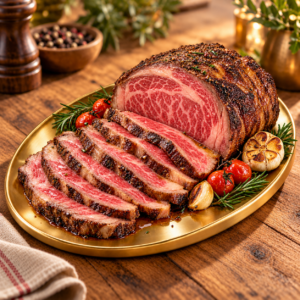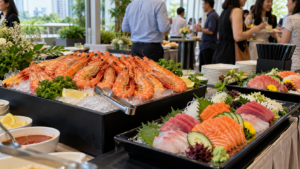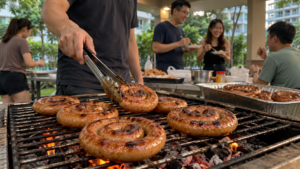
When people imagine a BBQ in Singapore, the first picture is usually chicken wings, satay, sausages and perhaps a few prawns.
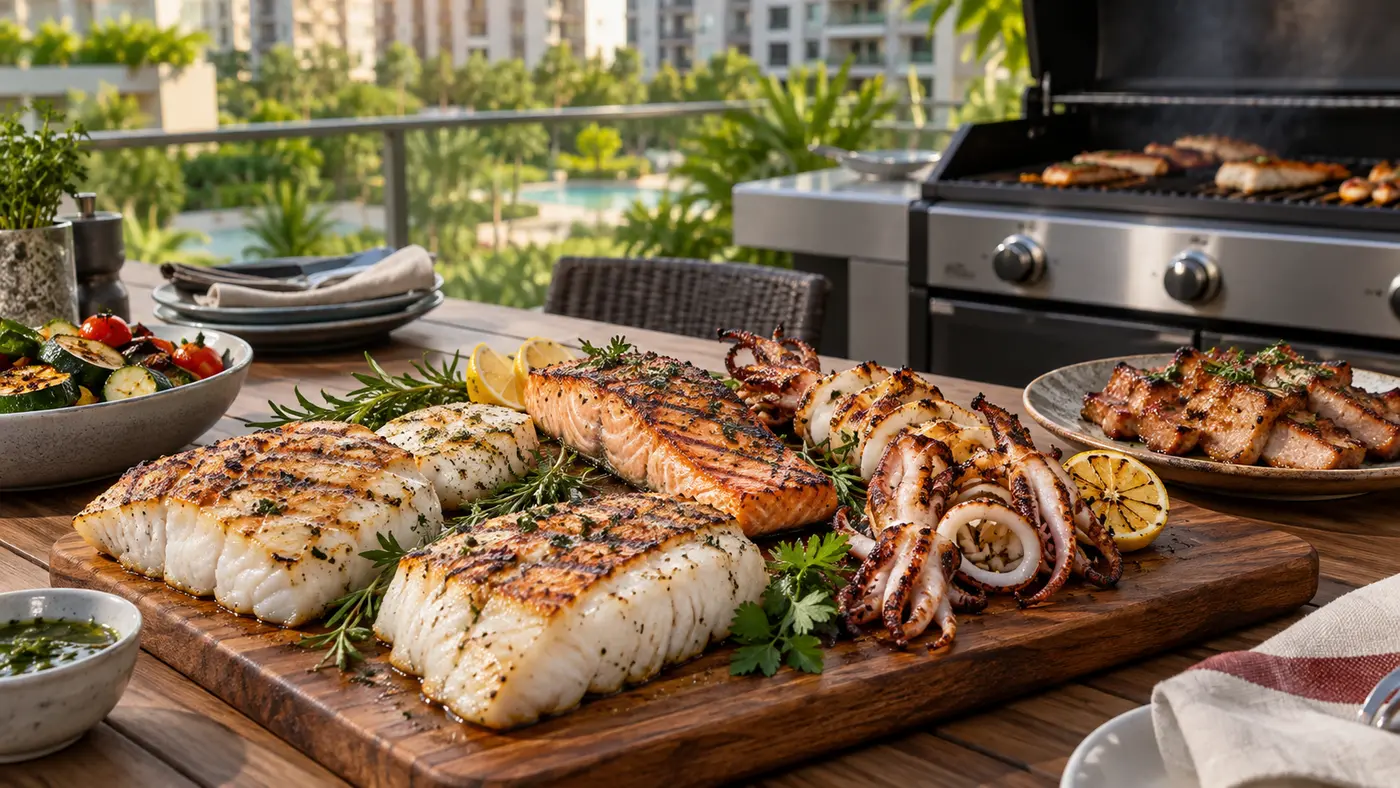
One earlier De’Vour order turned that balance around. Its centre was seafood: 2kg of cod, 1kg of squid, 1kg of halibut fillet and 1kg of salmon, with 1kg of pork jowl providing the only non-seafood contrast.
It was a useful reminder that a BBQ does not need to be dominated by red meat. A seafood-first spread can offer very different textures and flavours, but it also requires more careful handling than placing everything over the same heat for the same amount of time.
What Was in This Seafood-First Order?
The order contained six kilograms of food across five main items:
- 2kg of cod
- 1kg of squid
- 1kg of halibut fillet
- 1kg of salmon
- 1kg of pork jowl
The interesting part was not only the amount of seafood. Cod, halibut, salmon and squid all behave differently when cooked, so the menu offered variety without relying on many marinades or a very long product list.
Why Build a BBQ Around Seafood?
Seafood can make a BBQ feel generous without making every plate extremely heavy.
Cod and halibut offer mild flavours and a flaky texture. Salmon is richer and more distinctive. Squid brings chew, char and a completely different eating experience. Pork jowl adds fat, smokiness and a familiar grilled-meat option between the fish dishes.
This mix can work especially well for guests who enjoy seafood, smaller evening gatherings and menus where the host wants something different from the standard combination of wings, satay and sausages.
Not Every Fish Is Equally Easy to Grill
Fish can cook quickly, which sounds convenient. The same quality also makes it easy to overcook.
Delicate flesh may stick to the grill or break when turned. A fillet that is very cold in the centre can cook unevenly. Excessive heat may colour the outside before the thickest section is ready, while leaving fish on the grill for too long can remove the moisture that makes it enjoyable.
The thickness of each piece matters more than a simple kilogram figure. Portions should be cut with the cooking method in mind so one thin piece does not dry out while a thicker piece remains underdone.
Cod and Halibut Need Support
Cod and halibut are both mild white fish, but they should not be treated as interchangeable pieces.
They benefit from clean seasoning that supports rather than overwhelms their flavour. Depending on how the fish is portioned, a suitable grill basket, foil tray, banana leaf or careful oiling can help prevent sticking and breakage.
The goal is to develop flavour from the heat while keeping the flesh moist enough to separate into clean flakes.
Salmon Brings Richness to the Spread
Salmon contains more natural fat than many white fish, making it a useful anchor for a seafood-focused BBQ.
It pairs naturally with lemon, herbs, garlic and butter, but it can also take stronger seasonings when the rest of the menu is mild. Keeping the skin on can provide additional protection during cooking when the preparation allows it.
Because salmon is richer, guests may take smaller portions than they would of a lean white fish. That makes it useful as one part of a mixed seafood menu rather than requiring it to carry the whole meal.
Squid Has a Narrow Cooking Window
Squid provides the strongest textural contrast in this order.
It responds well to high heat and quick cooking, but leaving it over the fire unnecessarily can make it tough. This means it should not be placed on the grill simply because another fish has started cooking.
Preparation also matters. Squid needs to be cleaned properly, portioned for even cooking and kept cold until it is time to grill.
Why Pork Jowl Makes Sense Beside the Seafood
At first glance, pork jowl may appear unrelated to cod, halibut, salmon and squid. On the table, it serves an important purpose.
Pork jowl is rich, fatty and well suited to grilling. Its caramelised edges and smoky flavour create a contrast with the cleaner seafood dishes. It also gives guests who prefer meat a substantial option without turning the BBQ back into a conventional meat-heavy spread.
A contrasting item can make a focused menu feel more complete. The objective is not for every dish to match. It is for the selections to make sense together.
The Cooking Sequence Matters
A seafood-first BBQ should be cooked in controlled rounds rather than loading everything onto the pit at once.
Pork jowl can require more time for its fat to render and surface to caramelise. Thick fish portions need steady heat. Squid should usually enter later because it cooks quickly. Finished seafood also should not sit forgotten beside the grill while the rest of the menu catches up.
Using separate utensils and clean working areas for raw and cooked food is important for every BBQ. With several fish varieties, organisation also prevents delicate cooked portions from being damaged or mixed unnecessarily.
How Much Seafood Do You Need?
The six kilograms in this order cannot be converted into a universal guest count without knowing the rest of the meal.
If seafood is served with rice, pasta, vegetables and other sides, guests will take smaller portions of each variety. If these five items form nearly the entire meal, the allowance per person needs to be more generous.
Whole fish weight, skin, trimming and preparation can also affect the final edible amount. Always discuss the actual menu rather than dividing the headline weight by the number of guests.
How to Plan Your Own Seafood-First BBQ
- Choose one richer fish, such as salmon.
- Add one mild white fish for contrast.
- Include squid, prawns or shellfish for a different texture.
- Add one familiar meat only if it suits your guests.
- Keep the seasonings varied but not overwhelming.
- Plan the grill sequence around thickness and cooking time.
- Use suitable trays, baskets or leaves for delicate items.
- Serve the seafood in rounds while it is hot.
A BBQ Can Be Built Around the Food You Actually Enjoy
There is no rule saying chicken wings and sausages must take up most of the grill.
This order used cod, halibut, salmon and squid to create the main variety, with pork jowl as a deliberate contrast. It was a focused selection with fewer categories than some large BBQ orders, yet every item offered a different flavour or texture.
That is often a better way to plan a gathering. Start with what your guests genuinely enjoy, then build a practical menu around it instead of ordering the standard checklist by habit.