Planning one BBQ is already a balancing act. Planning BBQ food and service across two consecutive days adds another layer: the menu must stay interesting, the quantities must remain controlled, and the second day cannot feel like a reheated version of the first.
A De’Vour order from June 2026 shows what that kind of programme can involve. The order combined premium meats, seafood, satay, vegetables and local staples, with service arranged across two days for around 20 people per day.
The interesting part was not simply the amount of food. It was the need to organise one broad menu into two dependable service days without creating unnecessary waste or confusion.
Start With the Event Schedule, Not the Shopping List
For a single BBQ, customers often begin by choosing favourite items. That approach becomes harder across multiple days because the same guests may attend both sessions, storage space may be limited, and preparation has to be divided properly.
The first questions should be practical:
- Will the same people attend on both days?
- Is the BBQ the main meal or one part of a longer programme?
- Will the same grill and service area be available each day?
- Can chilled food be stored safely between sessions?
- Does each day need its own complete delivery and setup?
These details determine whether the menu should be divided evenly, varied from day to day or packed as two completely separate service sets.
A Two-Day Menu Needs Range Without Becoming Complicated
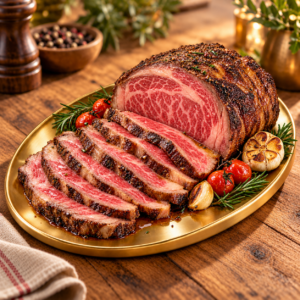
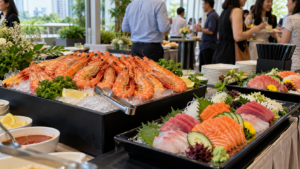
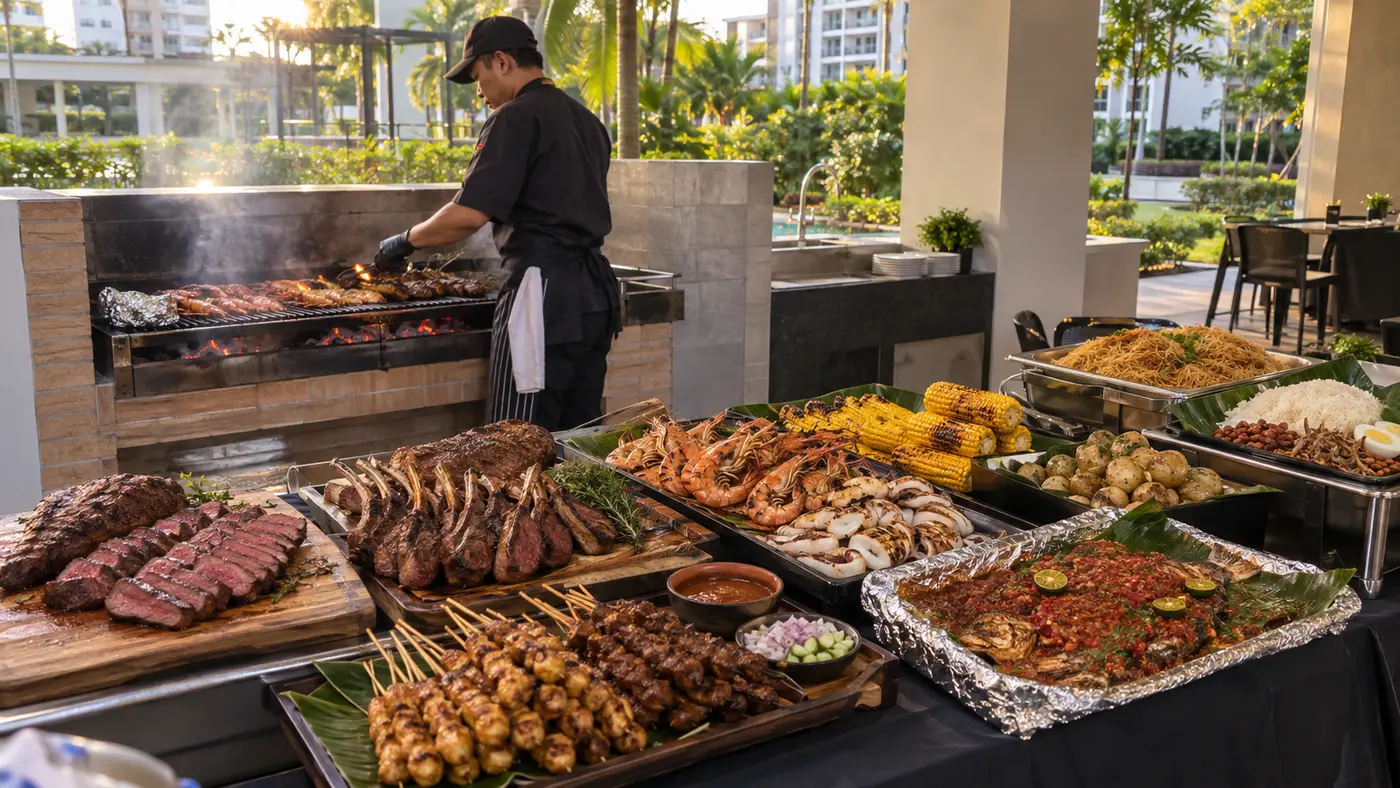
The June order included Angus striploin, lamb rack, BBQ sotong, Argentine prawn skewers, three chicken-skewer flavours, sambal stingray, chicken and mutton satay, corn, potatoes and spicy otah.
That is a wide selection, but the items still fall into clear groups:
- Premium centrepieces: striploin and lamb rack
- Seafood: sotong, prawns and stingray
- Easy-sharing favourites: chicken skewers, satay and otah
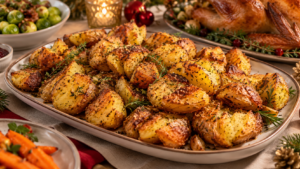
- Vegetable and starch support: corn and potatoes
Grouping the menu this way makes it easier to divide the food across service periods. It also helps the organiser see whether one category is carrying too much of the meal.
Local Staples Give the Grill Some Breathing Room
The order also included dry mee siam and nasi lemak for 20 people on each day.
That matters because grilled food does not need to provide every bite. A familiar staple gives guests something substantial while meat and seafood come off the grill in batches. It reduces pressure on the BBQ chef and prevents the first few cooked items from disappearing before everyone has started eating.
For Singapore events, rice, noodles or both can make a BBQ more comfortable for a mixed crowd. Some guests want to sample several grilled items. Others prefer a proper plate with a dependable carbohydrate base.
Do Not Treat Both Days as One Long BBQ
Food safety and quality are easier to manage when each day is treated as its own service.
Raw meat and seafood should be portioned and chilled separately for each session. Sauces, cooked staples, disposable items and ice should also be allocated by day. This avoids repeatedly opening the same containers and makes it clear how much food remains for the second service.
Separate packing also reduces a common multi-day problem: using too much on day one because nobody knows which items were reserved for day two.
Plan the Grill Sequence Before Service Starts
A mixed BBQ menu cannot all go onto the grill at the same time.
Large cuts such as striploin and lamb rack need more attention and resting time. Chicken must be cooked through. Prawns and sotong cook quickly and can become tough when left over the heat. Satay is fast but needs active turning, while stingray is usually easier to manage in foil or a suitable tray.
A practical sequence is to begin longer-cooking items first, establish a steady supply of familiar favourites, and cook delicate seafood closer to the time it will be eaten. The exact order changes with the equipment and guest arrival pattern, but it should be decided before the first flame is lit.
Equipment Must Be Counted Twice
The food is only one part of a two-day BBQ. The June order also required charcoal, large storage boxes, ice and BBQ chef service across both days.
For each session, the team needs to confirm:
- Grill size and condition
- Charcoal or gas supply
- Fire starters and tools
- Cold-storage capacity
- Serving trays and utensils
- Waste disposal and cleaning arrangements
- Access to the venue for delivery and setup
It is risky to assume that equipment used on the first day will automatically be clean, complete and ready for the second. Resetting the checklist for day two prevents small missing items from becoming service delays.
Should the Menu Change on the Second Day?
Not necessarily. A completely different menu creates more purchasing and preparation work. The better approach is often controlled variation.
The main selection can remain consistent while the emphasis changes. One day might feature more striploin, chicken and satay. The next might lead with lamb, prawns, sotong and stingray. Guests still recognise the overall BBQ programme, but repeat attendees do not feel that every plate is identical.
Staples can also rotate. Nasi lemak may suit one service while dry mee siam becomes more prominent at the next.
How Much Food Is Enough?
Multi-day catering should be calculated per session, not by combining every attendee into one large number.
Twenty people on two days is not always the same as one event for 40 people. The appetite pattern, session length and number of repeat guests may differ. A daytime programme with scheduled activities can consume differently from an evening BBQ where guests stay for several hours.
We also look at how many protein categories are offered. When beef, lamb, chicken, seafood, satay and substantial staples appear together, guests usually take smaller portions of each item. Adding more varieties does not mean every item needs a full individual portion for every person.
When BBQ Chef Service Becomes Useful
For a small casual gathering, the host may enjoy grilling. Across two event days with a broad menu, the job becomes more demanding.
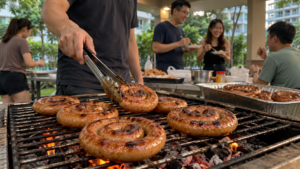
A BBQ chef manages heat, cooking sequence, food safety and the release of food in steady batches. That allows the organiser to focus on the programme instead of spending both days beside the grill.
It also creates consistency. The second day should not suffer because the volunteer griller is tired, unavailable or still cleaning up from the first session.
One Programme, Two Properly Planned Services
A successful two-day BBQ is not simply a large order divided in half. Each day needs its own quantity plan, cold-chain arrangement, grill sequence, equipment check and service rhythm.
De’Vour can supply the marinated meats, seafood, staples, accessories and BBQ chef service needed for multi-day programmes in Singapore. The goal is to give both sessions the same level of care while keeping the menu practical for the organiser and enjoyable for repeat guests.