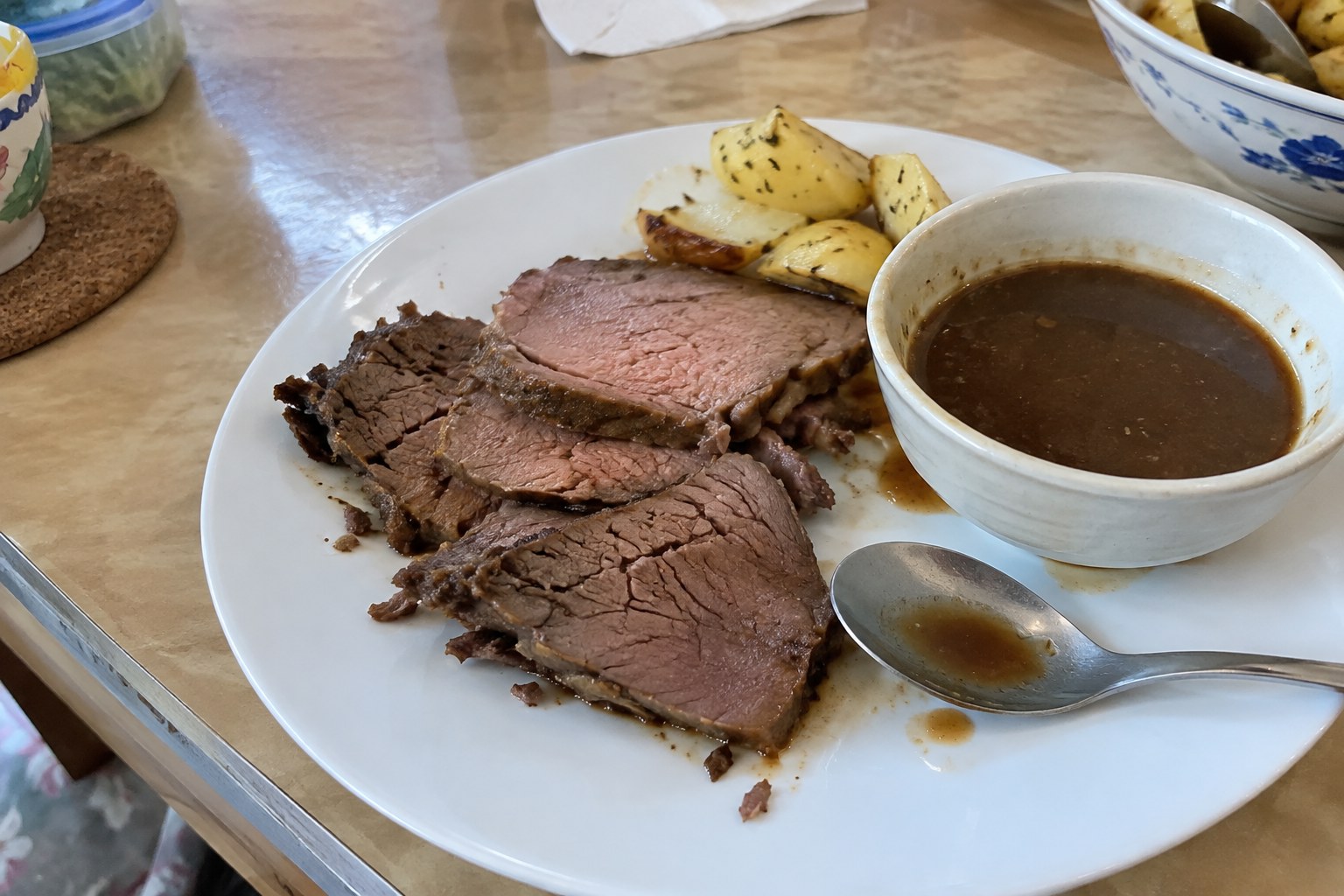
A beautifully roasted centrepiece often gets all the attention, but guests remember the finishing touches too. Good gravy, mustard, herb sauces and condiments can bring a roast dinner together. Too little and guests start rationing; too much and the organiser ends up with containers of leftovers.
For a gathering in Singapore, planning the sauces is a small decision that can make a catered dinner feel considerably more thoughtful.
Start with the menu, not just the number of guests
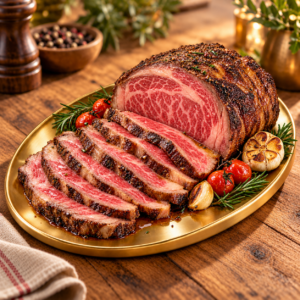
The first question is not “How many bottles?” but “Which foods actually need a sauce?” Roast beef might be served with jus, wholegrain mustard or horseradish. Chicken works with its own roasting juices, while lamb pairs well with a herb-based accompaniment. If your menu already includes sauced pasta, creamy sides or richly seasoned vegetables, guests may use less sauce on their meats.
Choose one main accompaniment for each roast rather than multiplying condiments without a plan. For a multi-protein menu, consider whether a versatile gravy could serve more than one meat.
A simple starting estimate for portions
For planning rather than as a strict rule, allow roughly 30–60 ml of pourable gravy or jus per guest when it is a supporting condiment. If the gravy is a major part of the dish, or guests are likely to use it on potatoes too, plan toward the higher end. For strong condiments such as mustard, considerably smaller individual portions may be suitable. Actual consumption depends on age, preferences, the rest of the menu and serving style.
For ten guests, that initial gravy estimate gives around 300–600 ml. Check with your caterer about what is already included before ordering extra.
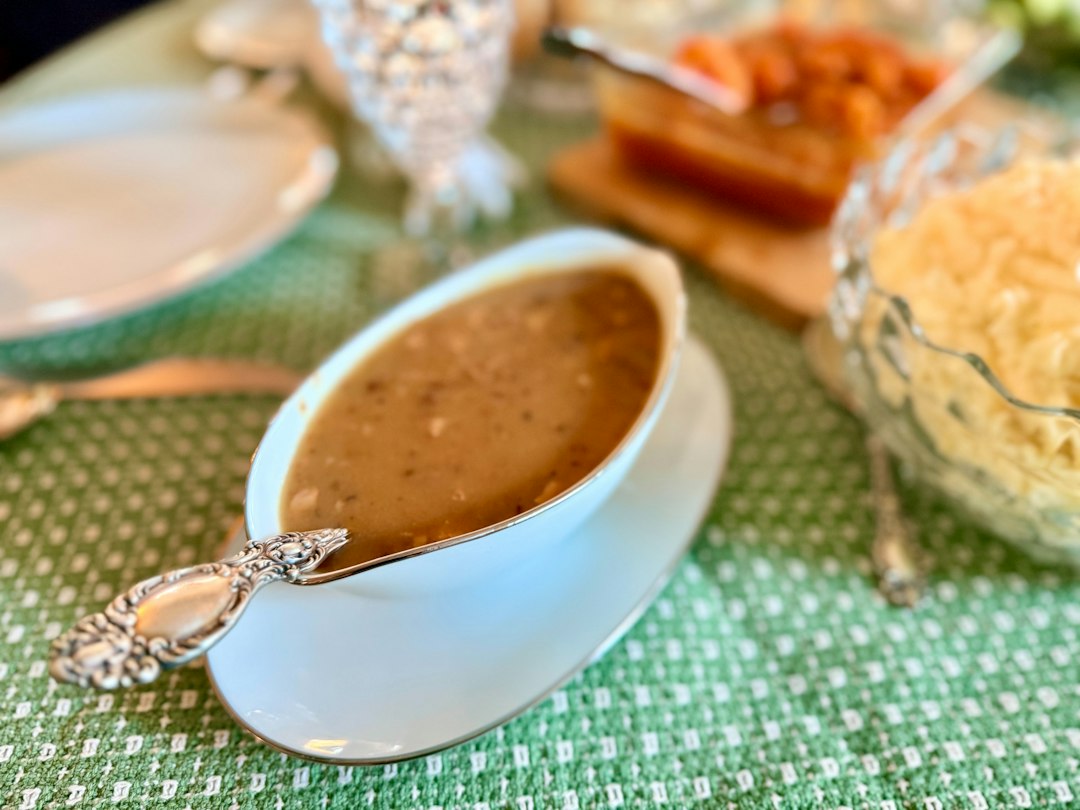
Use several small serving bowls rather than one crowded station
A single gravy jug at the far end of a buffet can hold up the line. For a longer dining table or larger buffet, divide the sauce between smaller, clearly labelled vessels so guests can serve themselves without reaching across hot trays. Keep clean serving spoons with thicker sauces and a suitable pouring jug for liquids.
Keep hot sauces hot and cold sauces chilled
Temperature and food safety matter, particularly at outdoor gatherings. Follow the supplier’s storage and serving instructions. Keep hot sauces properly hot and cold condiments properly chilled; don’t leave perishable sauces sitting on the table for an extended period. Replenishing from safely stored reserves is generally preferable to placing everything out at once.
Where guests may have allergies or dietary restrictions, label the ingredients clearly and use separate utensils. A mustard-based sauce, dairy-rich gravy or condiment containing seafood can matter just as much as the main protein.
Think about the potatoes and sides too
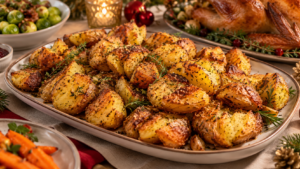
Mashed potatoes often encourage extra gravy use. Roasted potatoes and vegetables may need less if already seasoned with butter or herbs. A truffle side may be better left to shine without a strong competing sauce. This is why the full plate matters more than the protein alone.
What about Christmas roasts?
If you’re planning a festive gathering, consider the menu as a whole: a turkey, ribeye and lamb rack all bring different flavours to the table. A small selection of thoughtfully paired sauces usually looks more premium than an oversized row of mismatched bottles.
For ideas on ready-prepared festive centrepieces, explore De’Vour Feast’mas 2026 and our Feast’mas bundle guide. Check the current De’Vour ordering menu for available roast options, included accompaniments and additional sides.
The easiest serving rule
Make the sauces easy to find, easy to serve and easy to replenish. You don’t need ten condiments for ten guests. You need the right ones, in sensible quantities, served at the right temperature.
Planning a roast dinner or catered event in Singapore? WhatsApp De’Vour at +65 8071 3389 to ask about your menu and accompanying sides.