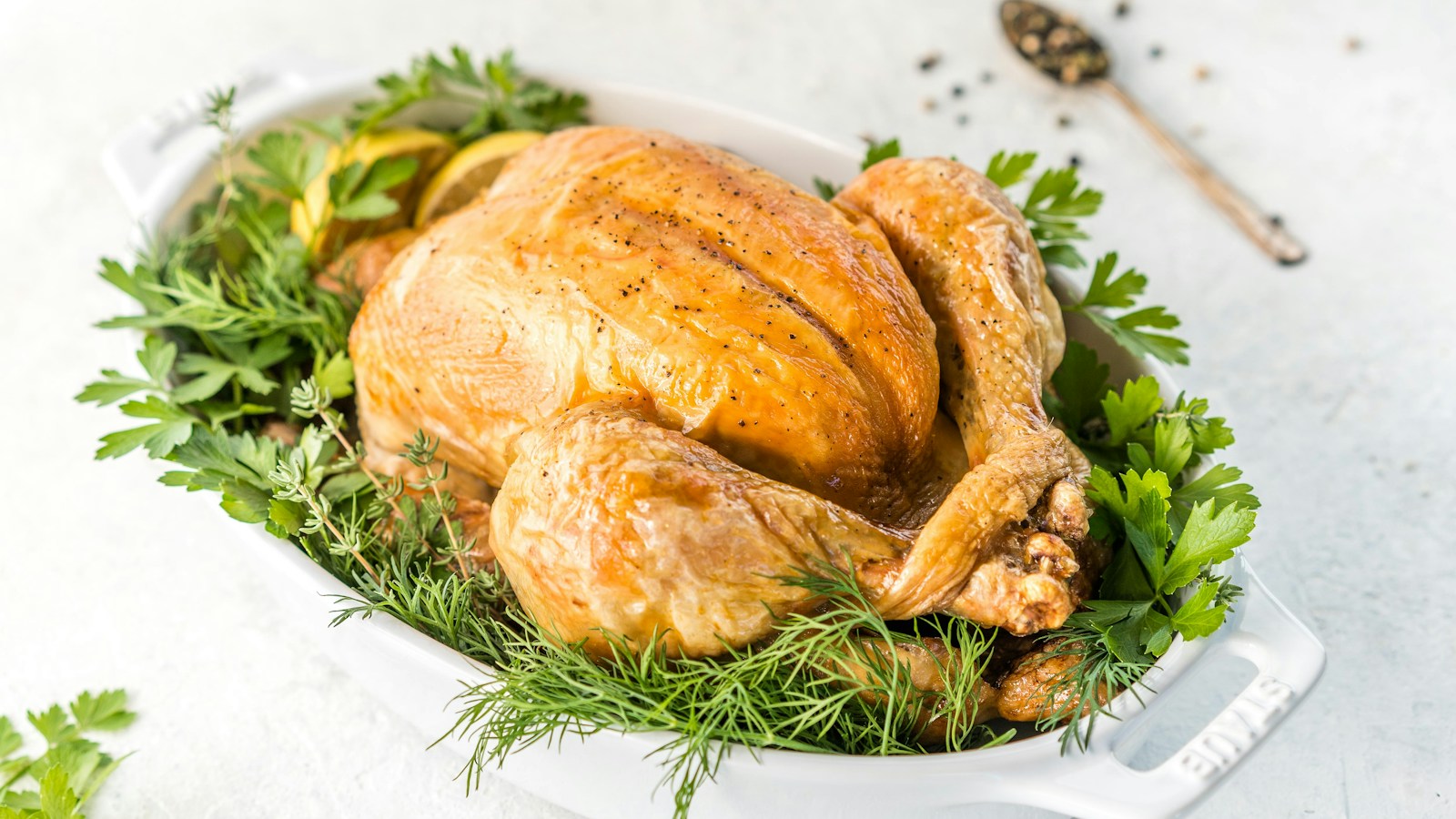
Christmas dinner in Singapore rarely follows a single script. One family wants a traditional centrepiece on the dining table; another has cousins arriving after work, children eating early and grandparents who would rather have a comfortable seat than watch somebody carve for twenty minutes. A whole roast can make either gathering feel special, but bigger is not always better.
The familiar question is turkey or roast chicken. Turkey brings the classic festive reveal and can anchor a more ceremonial meal. Roast chicken feels approachable, divides naturally into different cuts and can be easier to manage when the table is small. Neither is automatically the better Christmas dinner. The answer depends on who is eating, what else is being served and how much work the host wants to do.
This is a practical planning guide, not a description of a specific customer order. De’Vour’s Merry Feast’Mas selection includes both whole roast turkey and roast chicken; exact product sizes, inclusions and availability should be confirmed on the current order menu before you commit.
Start with the gathering, not the bird
Will everyone sit down together, or graze while exchanging presents? Is poultry the only main, or will it share the table with seafood, pasta and sides? These answers matter more than the festive photograph.
A turkey suits a sit-down dinner with carving space; roast chickens can be easier to portion in a compact HDB flat or when guests eat in waves. Function rooms still need a practical serving plan.
Count guests, side dishes and dietary needs before deciding on the roast.
Where roast chicken has the advantage
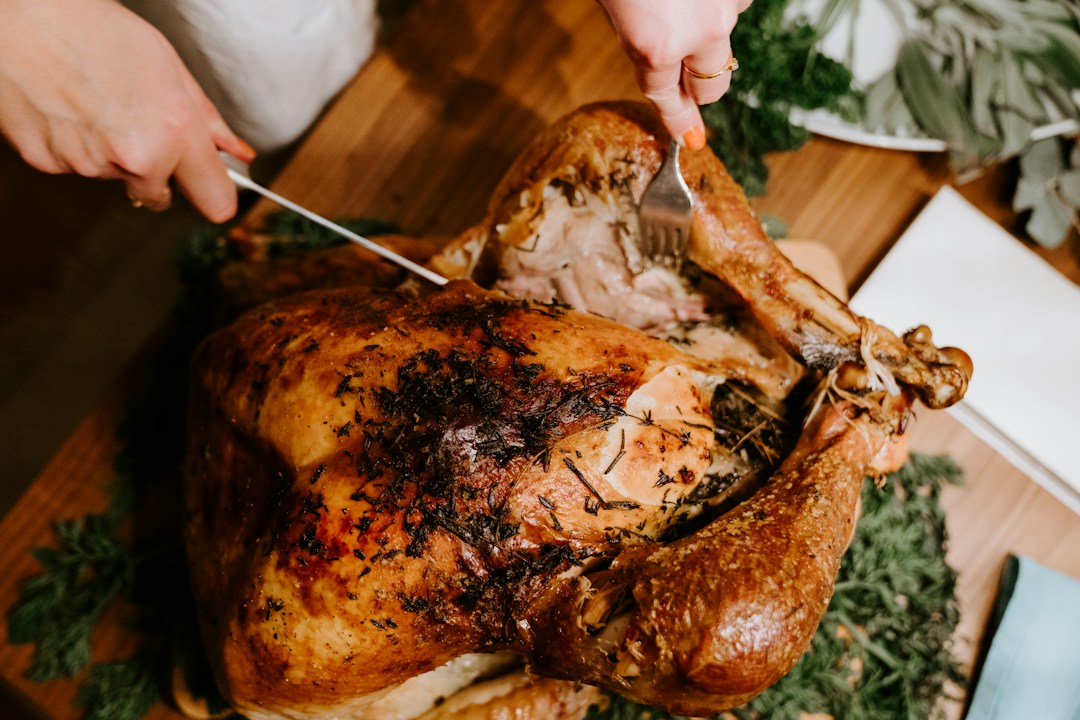
Roast chicken is familiar without feeling ordinary. A golden whole bird still creates the pleasure of bringing a roast to the table, but it can be divided into breast, thigh, drumstick and wing portions. Guests who prefer darker meat can choose differently from those who favour breast meat. For a family gathering, that flexibility can be more useful than a grand presentation.
Chicken also makes sense when the host wants to put the food out promptly. If the roast is carved before guests begin eating, portions can be placed on a warm serving platter and replenished without holding up a line. For smaller groups, the table can still have space for a potato dish, vegetables and a salad rather than being dominated by one oversized centrepiece.
Chicken portions depend on bird size, bones and the rest of the menu; allow more when it is the only main protein.
When a whole turkey earns its place
Turkey carries a different kind of occasion. The whole-bird presentation signals a Christmas feast immediately, especially when guests are gathering for a planned meal rather than dropping in throughout the day. It works particularly well when the host enjoys the ritual of unveiling the roast and somebody has agreed to handle carving.
But turkey requires a realistic service plan. A large bird takes up room on the table or carving board. Its different parts are not equally easy to slice, and the person carving needs a stable work surface, suitable knife, clean platter and a safe place for bones and used utensils. None of this is difficult when prepared; it becomes stressful when improvised in front of a queue.
Turkey weight includes bone and skin, not just edible meat. Check the serving guidance for the exact product rather than calculating portions by weight alone.
Portions: count the food guests will actually eat
A common planning mistake is to treat the number printed beside a roast as a guarantee that every guest will receive a full dinner portion. A suggested serving range is a useful starting point, not a promise of identical portions after carving. The edible yield changes with the size and structure of the bird, and guests may take very different amounts of white and dark meat.
Ask three questions. Is the roast the only substantial protein? Will the meal include filling sides such as potatoes, pasta or rice? Are you expecting leftovers for the next day? If the roast is the main event, plan more generously. If the table also includes beef, seafood and several hearty dishes, guests may only want a smaller slice of poultry.
It is usually wiser to add a well-chosen second main than to force one roast to satisfy every appetite. De’Vour’s Feast’Mas set guide can help when you are considering a broader selection rather than ordering poultry alone.
Make carving part of the service plan
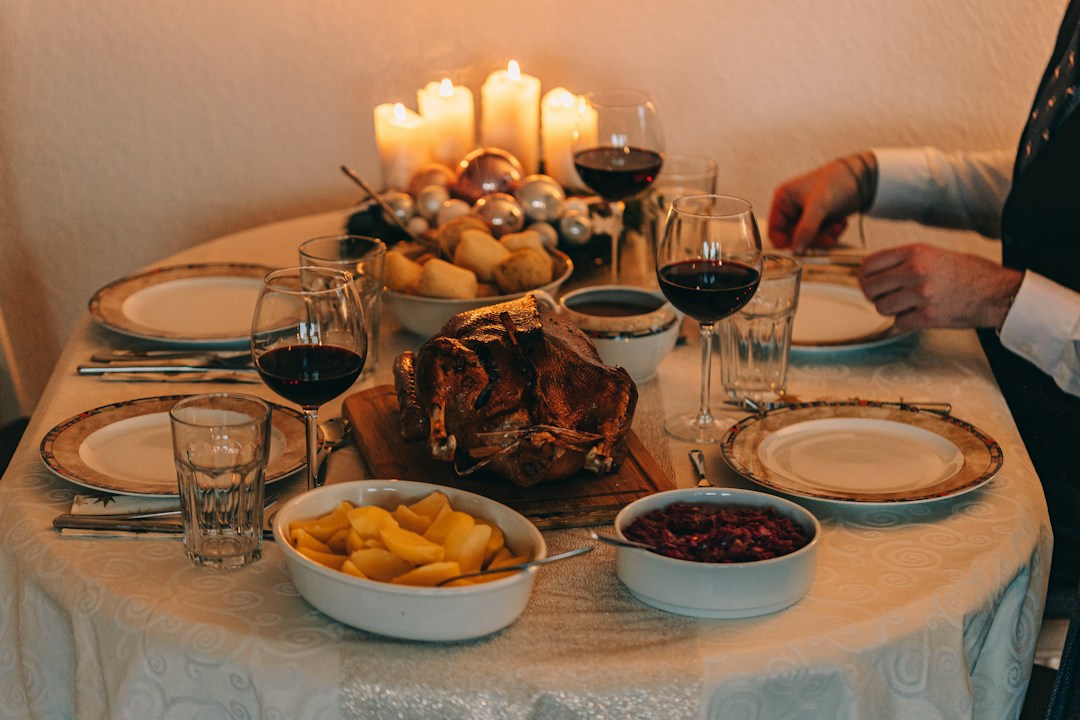
Even a beautifully cooked roast can lose its impact when guests are waiting with empty plates. Decide before the meal whether the bird will arrive whole for presentation, be carved in the kitchen, or be portioned at a dedicated serving station. A whole-bird display is visually appealing, but it should not block access to the other dishes.
For a home dinner, one workable arrangement is to show the whole roast briefly, move it to a clean kitchen counter for carving and bring the meat back on a serving platter. Keep a separate platter for portions that are ready to eat and avoid returning cooked meat to equipment used for raw poultry. Use clean serving utensils rather than letting every guest handle the carving tools.
For children or older guests, easy-to-reach carved portions help. Ask about available carving options before ordering.
Sides should balance the roast, not bury it
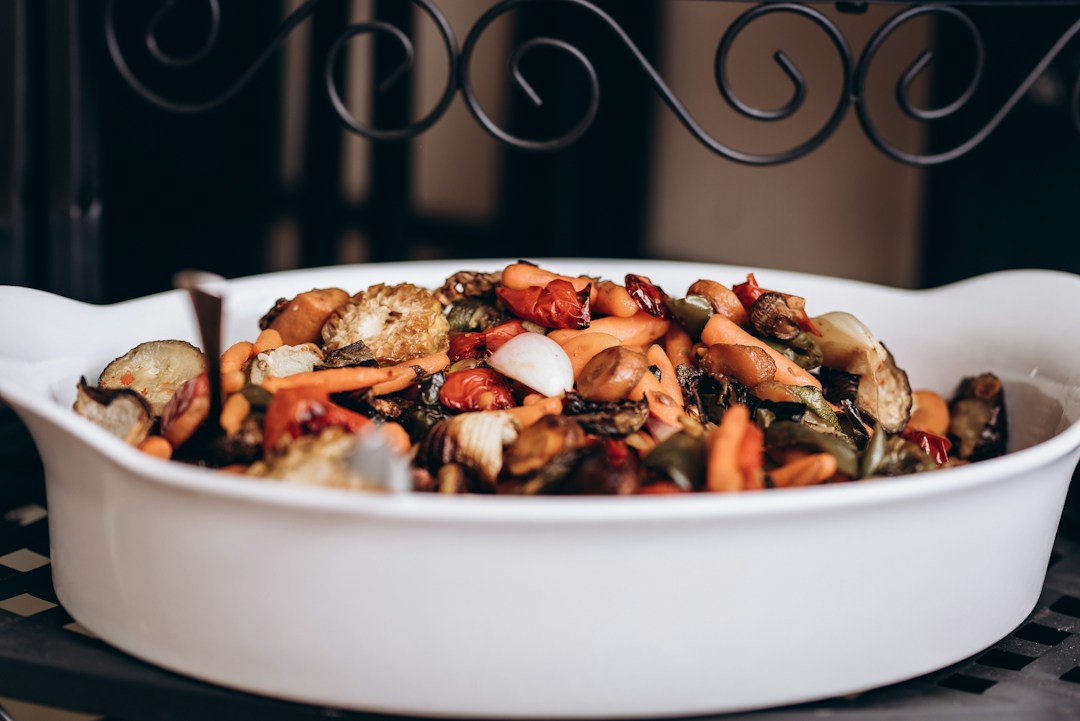
Turkey and chicken both benefit from a supporting cast, but the sides should do different jobs. A potato dish adds substance; roasted vegetables provide colour and texture; a fresh salad brings contrast; gravy or another suitable sauce helps guests customise each plate. Choosing three complementary sides is often better than six dishes that all feel rich and heavy.
For a turkey-centred dinner, consider how stuffing and gravy fit into the overall plate, then add something fresh or green. For chicken, potatoes and vegetables can make the meal feel complete without another elaborate main. If you are combining poultry with a beef roast or seafood, avoid treating every dish as an independent centrepiece. Decide which flavours should lead and which should support them.
Sauce quantities deserve their own plan. People do not all use the same amount, and a sauce jug positioned in front of the carving board can slow service. Our guide to gravy and sauce quantities explores this often-overlooked detail. Keep sauces in separate, clearly identified containers, especially when ingredients or allergens differ.
Delivery and Singapore’s heat change the equation
The Christmas meal may be leisurely, but the delivery-to-serving interval should be deliberate. Coordinate arrival with the time people will actually eat, not merely the earliest time someone is at home. If a roast arrives before the guests, ask for the correct holding and reheating instructions for that product and its packaging.
Singapore’s warm, humid conditions make prolonged room-temperature holding a poor plan. Hot food needs appropriate temperature control when it is not being served promptly, while chilled accompaniments need suitable refrigeration. Follow the caterer’s instructions and the Singapore Food Agency’s food-safety guidance; do not assume an air-conditioned living room keeps perishable food safe for hours.
If reheating is necessary, check the oven space and equipment available before Christmas Day. A small kitchen may not comfortably accommodate a large turkey and multiple trays of sides at the same time. Our Christmas roast reheating guide explains why careful timing and moisture management matter. Never guess reheating instructions for a specific prepared product.
Think about budget, waste and the next day
The sticker price is only one part of the decision. A bigger roast may require more carving space, additional accompaniments and more careful leftover storage. A smaller bird can be economical for a modest gathering, but ordering too little and relying on last-minute additions is not especially convenient either.
Work backwards from the full menu. If you already have substantial sides and another main, compare the total cost of a sensible poultry quantity rather than judging value by the size of the bird. If leftovers are welcome, plan how they will be cooled, refrigerated and used promptly. Do not leave the roast out on the table for hours so people can keep picking at it.
Leftovers are a bonus, not a substitute for feeding guests well on the day.
A simple way to choose for your Singapore gathering
Choose roast chicken when the gathering is smaller, the dining area is tight, guests prefer familiar portions or you want straightforward serving. Choose turkey when the occasion calls for a traditional Christmas centrepiece, the group can comfortably share a larger bird and there is a clear carving plan. Choose a mixed spread when different appetites or a larger guest list make one roast too restrictive.
Choose the roast that fits your actual table space and busiest serving period.
If you are still unsure, tell the caterer the guest count, whether the meal is seated or buffet-style, the other mains you want and the time food will be served. That gives a far more useful basis for a recommendation than asking for a bird by weight alone.
Frequently asked questions
Is turkey always better for a large Christmas party?
No. A turkey can be an effective centrepiece, but a large group also needs a workable carving and serving plan. Several smaller roasts or a mixed menu may be easier to distribute, depending on the venue and other food.
Can I serve turkey and roast chicken together?
Yes, if the group is large enough or guests have different preferences. Make sure the combined poultry quantity still makes sense alongside the sides and other mains; two birds are not automatically necessary for a small table.
Should the roast be carved before guests arrive?
That depends on presentation, timing and safe holding. Carving close to service can preserve the whole-roast moment, while pre-portioned meat can speed up a buffet. Confirm the available preparation options and food-handling instructions.
What should I ask before ordering De’Vour’s Feast’Mas poultry?
Confirm the current size and serving guidance, stuffing or accompaniments included, delivery or collection details, reheating and holding instructions, and whether any carving service is offered. Do not assume these are identical across products.
Let the gathering decide the centrepiece
A good Christmas roast does not need to turn the host into a full-time carver. Turkey offers a classic festive statement; chicken offers familiar portions and flexibility. Both can be memorable when the serving plan, sides and timing are considered before the food arrives.
Explore De’Vour’s Merry Feast’Mas introduction and From the Kitchen for more ideas. Choose the bird that makes it easier for everyone—including the host—to enjoy Christmas dinner.
Featured photograph: Photo by Hayley Ryczek on Unsplash. Images are illustrative stock photographs, not De’Vour customer orders.