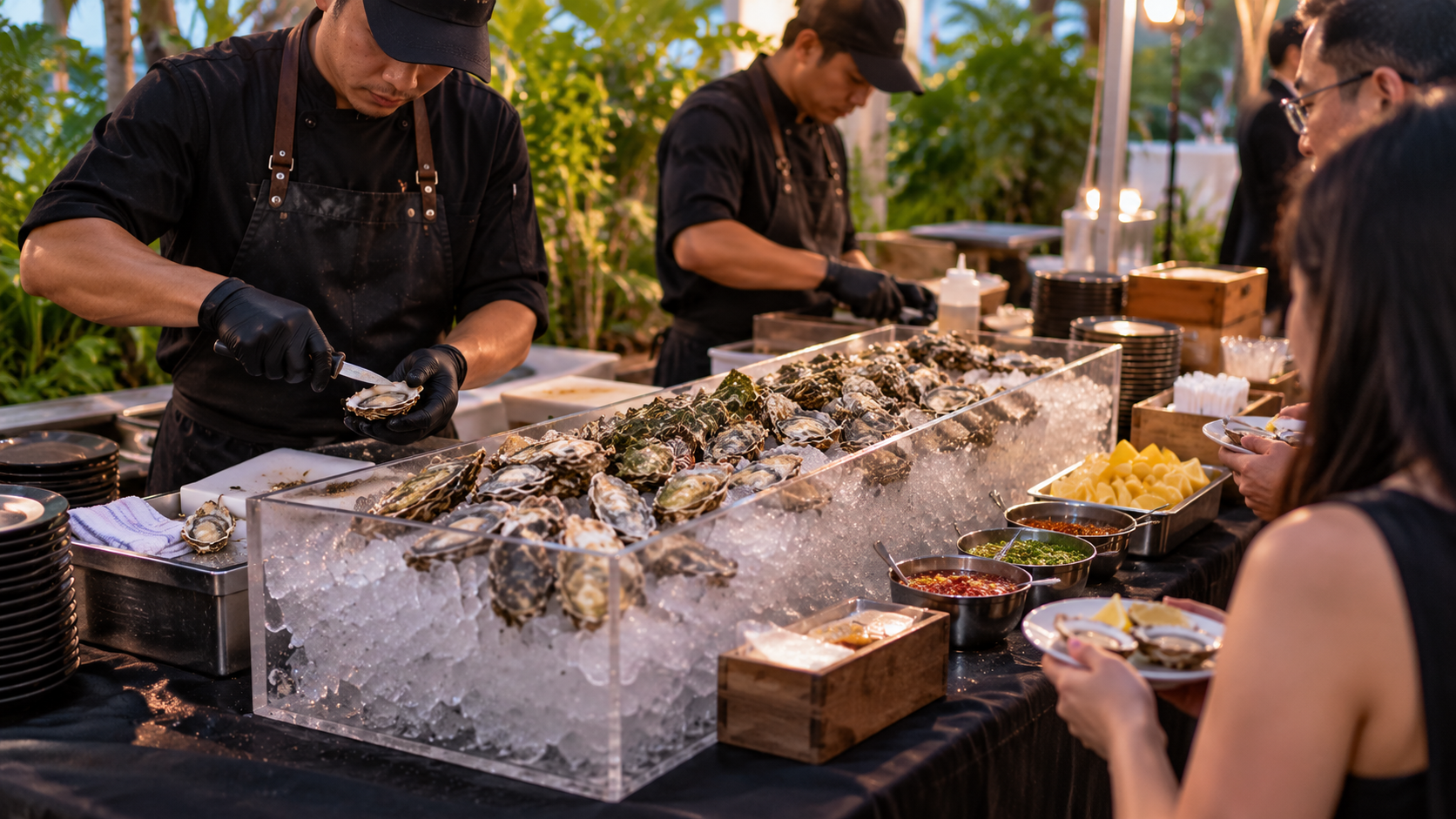
An oyster bar has a different kind of energy from a buffet. Guests lean in to watch a shell open, ask about the oyster in front of them and decide whether they want a squeeze of lemon or nothing at all. The experience can feel wonderfully unhurried—even at a busy Singapore celebration. But behind that easy moment sits a surprisingly detailed service plan.
Unlike a roast that can be carved in portions or a tray of cooked food that can be replenished, raw oysters are highly perishable and carry inherent food-safety risks. A beautiful mound of ice is not, by itself, a safe cold chain. The shucking area, guest collection point, temperature controls and alternative dishes all matter as much as the presentation.
De’Vour offers selected seafood live-station experiences, including oyster bars. This is a planning guide for organisers considering that format, not an account of a particular customer booking. Availability, staffing, sourcing, suitability and service arrangements must be confirmed for each event.
Begin with the event, not the oyster count
Start with the occasion and its rhythm. Is this a standing reception where people mingle for ninety minutes, a wedding with several food stations, or a corporate gathering where everyone breaks for food at the same time? Those scenarios may have the same number of guests but very different peak demand. A live oyster bar works best when its service pace matches the way people move through the event.
Ask the venue whether chilled seafood service, food preparation and disposal are permitted in the proposed area. A condominium function room may have space but limited preparation access; a hotel or event venue may impose its own approved-vendor requirements. Confirm power, access to potable water or handwashing facilities, delivery routes, working surfaces and the time allowed for setup and breakdown.
Do not place the station where a queue will block a fire exit, lift lobby or the route to other food. Guests should approach from one side, collect a portion and move away without crossing the working area. Think of the station as a small service operation, not just a display table.
Separate cold storage, shucking and handover
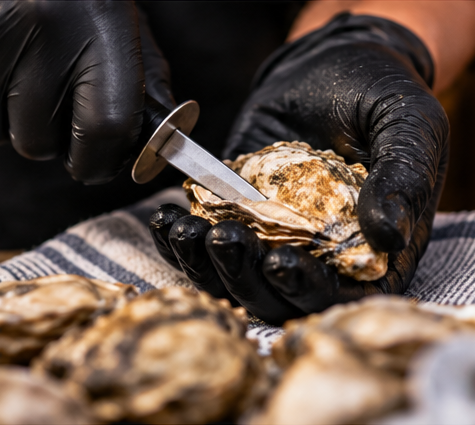
Three zones make the workflow easier to understand. The first is controlled cold storage for unopened oysters and clean food-grade ice. The second is a protected preparation area where trained staff work with appropriate equipment and hygiene controls. The third is the guest-facing handover point, where ready-to-eat oysters and condiments are served.
Keep used shells, tools and waste out of the guest path. Staff should not need to reach across customers to replenish oysters or move dirty equipment. A clear workflow reduces unnecessary handling and helps keep raw oysters separate from other foods. A compact setup can still work, but it should never compress all three activities onto a single cluttered surface.
At a venue walkthrough, ask where the backup stock will remain chilled and how it will reach the shucking station. The visible tray should be the last step of the cold chain, not the place where the entire order waits for the evening.
Treat raw oysters as high-risk food
The Singapore Food Agency (SFA) identifies raw oysters as a particularly high-risk bivalve food. Because oysters filter water, they can accumulate pathogens; contamination cannot be reliably judged by appearance or smell. SFA advises buying from approved businesses, choosing oysters designated for raw consumption and maintaining the cold chain. Its guidance also advises vulnerable groups—including young children, pregnant people, older adults and those with weakened immunity—to avoid raw or undercooked shellfish.
For storage, SFA’s consumer guidance recommends refrigeration below 4°C. Its guidance for retail outlets serving raw oysters specifies keeping oysters on display below 5°C in chillers or food-grade ice, minimising display time and preferably shucking on order. Event organisers should ask their caterer what temperature monitoring, receiving checks, handling procedures and trained personnel will be in place, rather than assuming ice alone is sufficient.
Raw oysters are not risk-free even when handled carefully. Cooking substantially reduces many microbial hazards, although some marine biotoxins are not destroyed by heat. A responsible event menu should offer a cooked alternative so guests can make an informed choice.
Why shucking to order changes the experience
Shucking on demand does more than add a bit of theatre. It keeps the presentation close to the moment of service and avoids laying out large numbers of opened oysters for a prolonged period. The trade-off is speed: every shell requires careful handling, and one experienced shucker can only serve so many guests at once.
Plan for a first wave and a second wave instead of treating all guests as one continuous queue. If speeches, a programme segment or a group photograph will release everyone together, tell the caterer. They can discuss staffing, pre-service preparation and a suitable replenishment rhythm. Do not assume that doubling the number of oyster trays doubles service capacity; the bottleneck may be the shucking and handover.
A guest should be able to see what is offered and choose without lingering over the preparation table. Simple signage, a clear collection direction and a separate condiment point can help keep the queue moving.
Build a small, deliberate condiment selection
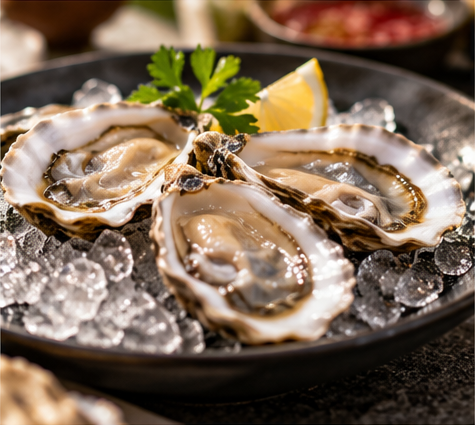
Fresh oysters have a distinct flavour, so the accompaniments should support rather than overwhelm them. Lemon wedges are familiar. Some hosts may prefer a restrained vinegar-based dressing or another suitable sauce, but the selection should be confirmed with the caterer and clearly labelled. A dozen condiments can look generous in a photograph while creating unnecessary handling and congestion in practice.
Put garnishes in clean, covered or otherwise appropriately protected service containers, with dedicated utensils. Make allergen information easy to ask about. Oyster bars naturally contain molluscan shellfish; additional sauces can introduce other allergens. Never rely on a guest to guess from colour or appearance.
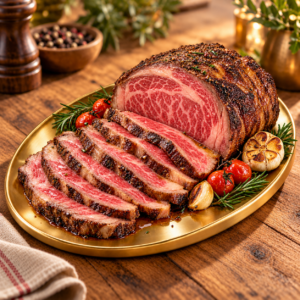
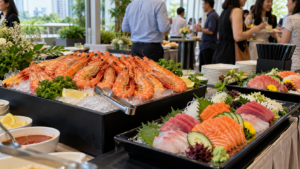
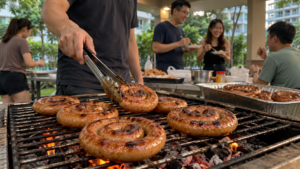
Consider the surrounding menu. A cold seafood station paired with a roast carving station or cooked BBQ dishes gives guests a genuine choice of temperatures and textures. De’Vour’s guide to live food stations discusses how different formats can complement one another rather than compete for the same queue.
How many oysters should you plan?
There is no responsible universal number per guest. Some people love oysters and return for several; others will not eat them at all. Consumption changes with the occasion, the time of day, whether the station is a tasting experience or a central attraction, and what other food is available. A standing cocktail reception can produce a very different pattern from a seated dinner with a seafood counter on the side.
For a planning conversation, take a hypothetical group of sixty guests. If thirty people each choose two oysters, that is sixty oysters before any repeat visits. If the oyster bar is the main attraction, the total may be very different. This is an illustration of the arithmetic, not a recommended serving allowance or a promise about actual demand.
Share the guest profile, dietary considerations, service duration and rest of the menu with the caterer. Agree on quantities, how stock will be staged, whether replenishment is possible and what happens to unopened or unused product. Do not over-order simply to keep a display looking full.
Make the cold display practical as well as beautiful
An oyster bar should look inviting, but a good presentation also makes it easier to maintain safe conditions. Food-grade ice, appropriate drainage and stable trays matter. Water collecting beneath seafood is not a substitute for temperature control, and melted ice needs a managed route away from clean equipment and guest-facing surfaces.
Rather than one enormous arrangement, consider a smaller visible selection replenished from properly chilled stock. This supports a tidy appearance without requiring all oysters to remain on display for the full event. Keep sauces and serving items out of melting water and protect the station from direct sun and other heat sources.
Singapore’s warm, humid conditions make a long outdoor display especially challenging. Ask the caterer whether the proposed location can support reliable cold holding throughout setup, service and breakdown. If not, adjust the service format or move to a suitable approved space.
Plan a guest flow that works with other stations
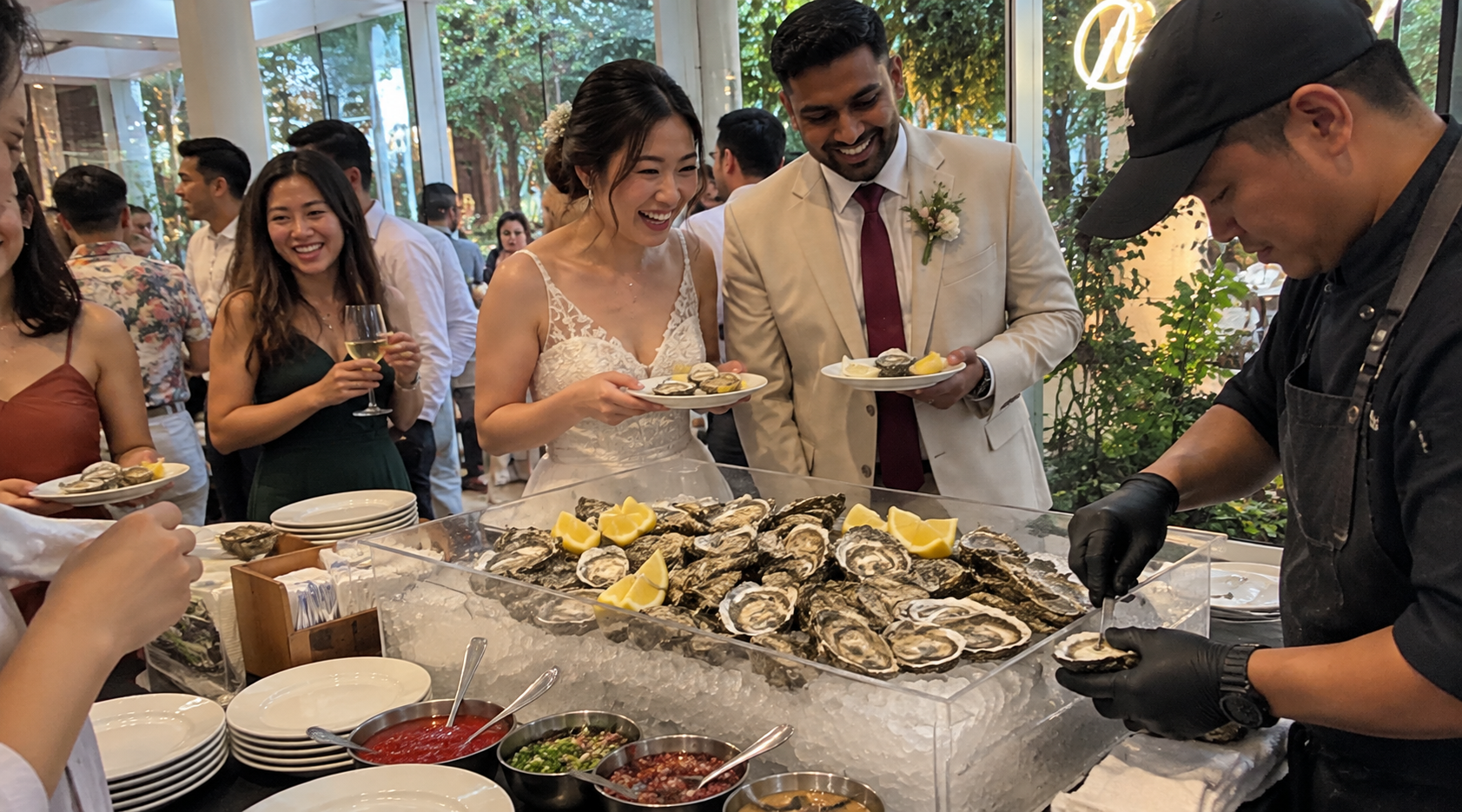
Live stations are most enjoyable when guests can wander between them without spending the whole event in line. If an oyster bar shares the space with a roast-carving counter, BBQ service or a beverage station, give each a distinct entry and exit path. A queue that crosses another station’s working zone is both inconvenient and harder to supervise.
Keep the oyster handover point separate from the shucking tools. Used shells and plates need a visible return or disposal point so guests do not leave them on nearby food counters. A roaming service assistant can help direct guests and keep the display neat, depending on the agreed staffing.
De’Vour’s full-service BBQ guide explores a related principle: good event food depends on setup, access and timing as much as on the menu itself.
Give guests a cooked alternative
Not every guest can or wants to eat raw oysters. For some, it is a matter of preference; for others, a health precaution. A well-planned event should not make anyone feel that the premium part of the menu is unavailable to them. Consider cooked seafood, roast meat or substantial sides alongside the raw bar, subject to the actual event package.
Keep raw and cooked service areas, utensils and preparation equipment appropriately separated. A cooked alternative should be genuinely cooked and handled safely, not an afterthought prepared on a contaminated surface. Explain the choices clearly on the menu and let guests decide without pressure.
If the event includes children, older relatives or guests with uncertain dietary needs, this variety is particularly useful. Hospitality is not measured by how adventurous the food looks; it is measured by how comfortably people can enjoy it.
Build weather and cleanup into the quotation
Outdoor receptions can be beautiful in Singapore, but rain and heat can interrupt service quickly. A wet-weather plan must preserve chilled storage, hygienic preparation and a safe working area. Simply moving a seafood station under a crowded shelter may not solve the underlying problems. Confirm the alternative location and its facilities before the event.
Ask who supplies ice, insulated transport, tables, shucking equipment, serviceware, condiments and waste containers. Clarify how used shells and packaging will be collected and removed, and whether the venue requires special cleaning or waste handling. Agree on the end-of-service time as well as the guest-facing start time.
A useful quotation should make the service boundaries visible. What is included, what depends on venue access, and what happens if the site proves unsuitable? These are better questions than whether the table can look exactly like an inspiration photograph.
Questions to ask before confirming an oyster bar
Give your caterer the date, venue, guest count, expected service window, indoor or outdoor location, other menu items and known dietary requirements. Ask about oyster sourcing and whether the product is designated for raw consumption, staff handling procedures, temperature management, handwashing access, display and replenishment arrangements, and what happens to leftover raw oysters.
Also confirm the service format: shucked to order, handed out in small portions, or another approved approach. Discuss how queues will be managed and whether staff will explain oyster varieties or condiments. If the venue has restrictions, share them early. A practical, honest conversation can prevent a costly change on event day.
The best answer is not always a live oyster bar. Sometimes a cold seafood counter, cooked seafood station or roast-led menu is a better fit. Choose the experience that the venue and team can deliver safely and consistently.
Frequently asked questions
Can a live oyster bar work at a condominium function room? Possibly, if the venue permits it and the caterer can provide safe preparation, chilled holding, hygiene and waste handling. Check the specific function-room rules before confirming.
Should oysters be opened hours before guests arrive? SFA advises keeping display time short and preferably shucking on order. The exact safe service procedure should be set by the food operator, not improvised by the host.
Are oysters safe if they smell fresh and sit on ice? No visual or smell check guarantees that raw oysters are free from pathogens. Approved sourcing, appropriate handling and cold-chain controls reduce risk but cannot eliminate it.
What should I serve guests who avoid raw shellfish? Offer clearly labelled cooked dishes or other substantial alternatives, with proper separation to avoid cross-contact.
A memorable station is a well-managed station
An oyster bar can be an elegant focal point: a short conversation with the shucker, a carefully presented oyster and a guest who can return to the celebration without queuing for ages. The atmosphere is the reward for planning the less glamorous details—temperature control, workflow, staffing, access and cleanup.
At De’Vour, we approach live stations as part of a wider BBQ, roast and seafood experience rather than isolated decorative counters. For another perspective on how to build a menu around different proteins, see our seafood-first BBQ article. If you’re considering an oyster bar for a Singapore gathering, start by sharing your venue, guest profile and service window so the practical details can be assessed before the menu is finalised.
Food-safety references: SFA’s safety guidance for bivalve molluscs and SFA’s guidance on serving raw oysters in food retail outlets.