Soup is rarely the largest item on a buffet, yet it can have an outsized effect on how the whole line moves. Guests need a bowl, a ladle and a steady hand. If the soup sits in the wrong place, one slow serving step can hold up everyone waiting for rice, pasta and mains.
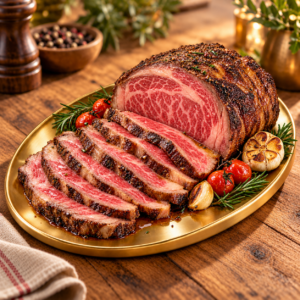
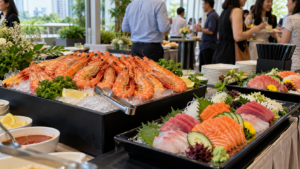
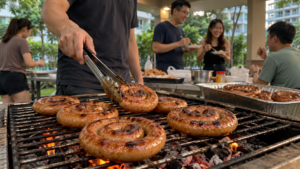
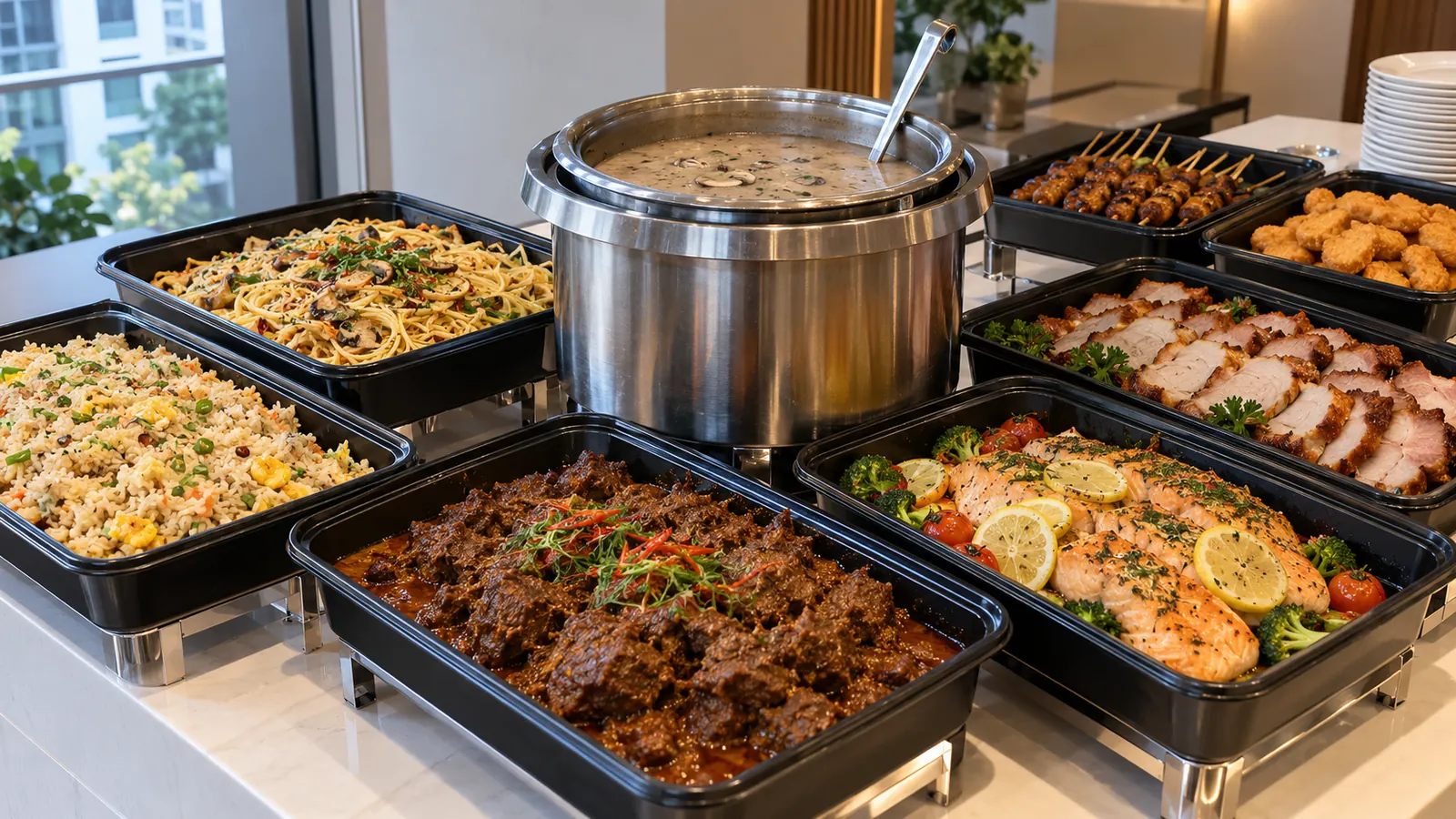
A completed De’Vour order combined mushroom soup with fried rice, aglio olio, beef rendang, lemon herb salmon, roasted pork, nuggets, satay and ketupat. The menu shows why soup needs to be treated as a separate service decision rather than simply another tray on the same table.
Give Soup Its Own Station
The simplest way to protect the buffet flow is to place soup slightly away from the main food line. Guests who want it can step to the side, while those heading straight for the main meal can continue moving.
A side station also creates room for bowls, soup spoons, napkins and the lid of the warmer. These details take more space than organisers expect. When everything is squeezed between two food trays, spills become more likely and guests pause to work out where to put the lid or ladle.
Decide Whether Soup Comes First or With the Meal
At a seated dinner, soup may be a clear first course. At a casual buffet, guests often take it alongside everything else. The organiser should choose which behaviour the setup encourages.
If soup is meant as a starter, open that station before the main buffet and provide a place for used bowls. If it is simply another option, keep portions modest and position it where guests can return after collecting the rest of their food.
Use the Right Vessel and Ladle
A stable soup warmer is safer than a light container that shifts when the ladle touches the side. The opening should be wide enough for clean serving but not so wide that heat escapes quickly.
Match the ladle to the bowl size. A very large ladle encourages oversized portions and splashes; a tiny one makes every guest scoop repeatedly. One controlled ladleful is usually the most efficient starting portion at a mixed buffet.
Protect Temperature Without Overheating
Soup should arrive hot and remain safely warm, but aggressive heat can thicken a mushroom soup, form a skin on the surface or cause the bottom to catch. Stir it periodically and keep the lid closed between servings.
For a longer event, holding back a refill batch can produce a better result than putting the entire quantity on heat from the beginning. The fresh batch replaces what has been served instead of sitting for the full duration.
Plan the Menu Around Richness
Mushroom soup, beef rendang, roasted pork and salmon all bring richness in different forms. Fried rice and aglio olio add two substantial carbohydrates. In a menu like this, soup portions should be restrained so guests still have room to appreciate the mains.
The soup can still be useful. Its smooth texture contrasts with satay, nuggets and sliced roast pork, while its warmth suits guests who prefer a gentler start. The answer is not to remove it, but to serve it in a scale that matches its role.
Keep Bowls Away From the Main Plates
A stack of bowls can easily be mistaken for plates when the table is crowded. Keep bowls and soup spoons together at the soup station, and place dinner plates at the start of the main line.
This small separation reduces reaching across hot equipment. It also prevents guests from balancing a filled soup bowl while trying to serve rice, pasta and saucy dishes onto another plate.
Make Refills Predictable
Assign one person to check the soup level, wipe the station and stir the contents. Waiting until the warmer is almost empty often leads to an awkward pause while a refill is found and transferred.
The same person can watch the bowls and spoons. Soup service fails just as quickly when the food is available but the correct crockery has run out.
Think About Children and Older Guests
Hot liquid deserves extra care at family gatherings. Place the station on a firm table away from a narrow walkway, trailing cables or a place where children are likely to run.
A helper can serve soup for anyone who may find a heavy lid or full ladle difficult to handle. Good hospitality is often less about adding another dish and more about making the dishes present easier to enjoy.
Soup Works When the Service Plan Is Visible
The completed menu had enough variety for soup to remain optional rather than carrying the meal. That is exactly why its station, portion and timing mattered: it needed to complement the buffet without controlling the pace.
De’Vour can plan Singapore catering menus with hot mains, party favourites and soups that are matched to the venue, guest mix and serving style. A little attention to flow keeps the comforting bowl from becoming the slowest point of the event.